
Share this
by McKenzie Decker on Apr 7, 2026 6:35:20 AM
TL;DR (Quick Answer)
- Most leaders struggle after a promotion because the job fundamentally changes, but no one teaches the new role
- Over 50% of leaders operate below their leadership level, staying stuck in execution instead of leading
- The real issue isn’t capability—it’s lack of structure, clarity, and defined expectations
- Leadership requires shifting from doing the work to designing how the work gets done
- You can fix this by clarifying roles, setting expectations, and building simple operating systems
Who this is for (and why this matters now)
If you’re a high-performing leader who feels like:
- “I’m doing everything right… so why isn’t this working?”
- “Why does everything still depend on me?”
- “Why does my team need me for everything?”
This is likely not a performance issue.
It’s a leadership design issue.
And it’s one of the most common breakdowns in growing organizations.
The moment I realized leadership wasn’t what I thought
I was at Marshalls with my friend Nicole a few weeks ago.
We found a size 21 men’s sneaker.
We just stood there staring at it like… who is this absolute unit of a shoe for??
And Nicole goes,
“That is a BIG shoe to fill.”
Here’s a photo of the shoe:
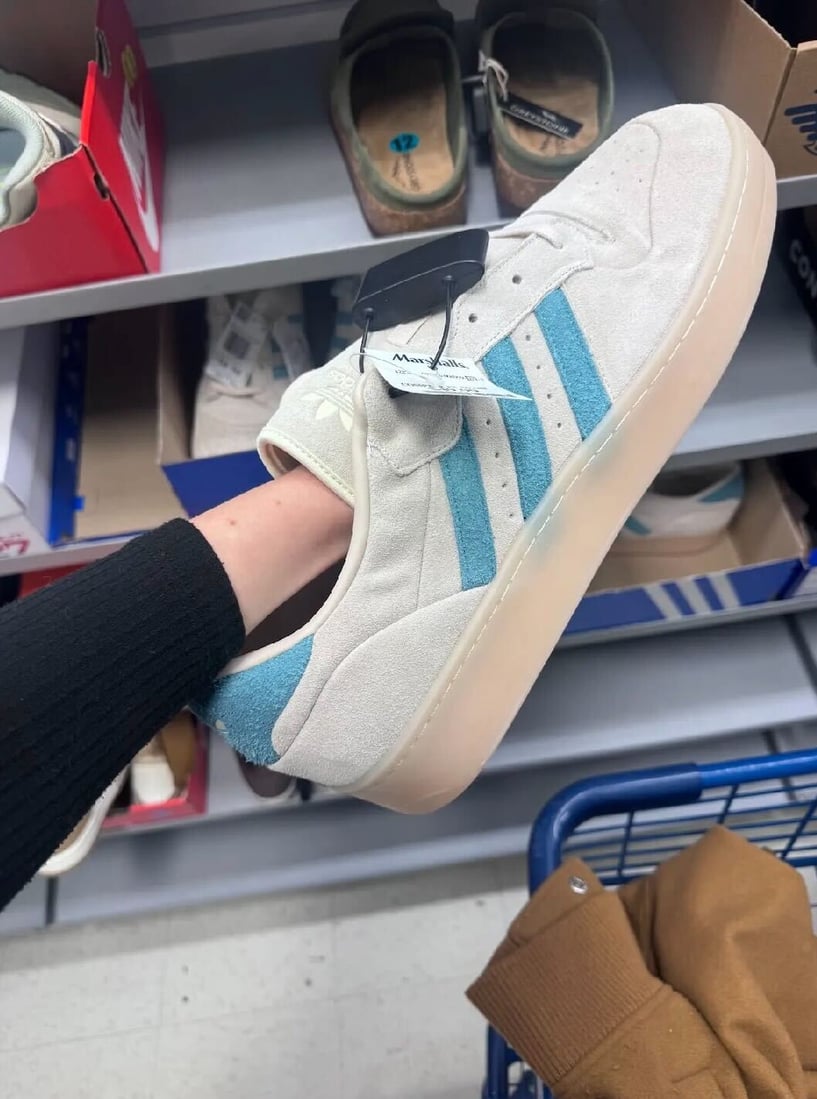
That’s what leadership feels like for a lot of people.
You step into a bigger role…
And assume you’re supposed to fill it the same way you filled the last one.
Just more:
- More effort
- More responsibility
- More output
But that’s not what’s required.
Why leadership feels harder after a promotion
Short answer:
Because the job changes, but your behavior doesn’t.
When I was 27, I got promoted to lead an $8 million department.
I did what most people do:
- Stayed close to the work
- Solved problems
- Helped everyone move things forward
I thought I was leading.
I wasn’t.
I was operating below my level.
And this is incredibly common.
In fact:
At least 50% of leaders operate below their assigned level of leadership.
Why?
Because:
- No one teaches leadership at the next level
- Delegation feels uncomfortable
- Doing the work feels more productive than leading it
What does “leading below your level” actually mean?
Short answer:
It means doing work your team should own instead of leading how the work gets done.
It shows up like this:
- You stay in the weeds
- You solve instead of coach
- You jump in instead of step back
- You measure success by your own output
And underneath that?
Usually:
- Lack of clarity on your role
- Lack of trust in others
- Or fear that things will fall apart without you
What happens when leaders operate below their level
Short answer:
It limits the team, increases stress, and slows growth.
From the workshop conversation, the impact is clear:
- Teams lose autonomy and confidence
- Trust breaks down
- Leaders burn out
- Work becomes reactive instead of proactive
- Organizational capacity gets artificially limited
Everything still runs through the leader.
And that becomes the ceiling.
The shift: from doing the work to designing the work
Short answer:
Leadership is not about doing more, it’s about creating clarity.
One leader described it this way:
"Your job is not in the moment—you should be thinking about what’s next."
That’s the shift.
From:
- Execution
- Immediate problem-solving
- Individual contribution
To:
- Clarity
- Structure
- Future thinking
- Enabling others
Leadership becomes:
👉 Getting results through people
Not for them
Working ON the business vs IN the business
Short answer:
Most leaders stay in execution because it feels productive—but growth requires stepping out.
Most of your time is spent:
- Answering questions
- Solving problems
- Moving work forward
That’s working in the business.
But leadership requires working on the business:
- Defining roles
- Setting expectations
- Creating systems
- Building structure
The problem?
Working on the business:
- Feels slower
- Feels messier
- Doesn’t give instant results
So we avoid it.
Until something breaks.
If you own a home, or just live indoors… :)
Then you know, you can repaint a house all day, and it can LOOK good.
But if the structure underneath is failing, it will eventually show up, and show up big time.
How to transition into effective leadership (practical steps)
If you’re feeling stuck, start here:
1. Redefine your role
Stop asking:
→ What do I need to get done?
Start asking:
→ What does the business need from me now?
2. Clarify what “winning” looks like
Your team should know:
- What success looks like weekly
- What matters most
- What they own
3. Build a simple operating structure
Start with:
- Weekly meetings that drive execution
- Clear KPIs
- Defined responsibilities
4. Step out of the weeds (intentionally)
Even when:
- It feels uncomfortable
- It feels slower
- It feels less productive
This is the actual work of leadership.
5. Accept this truth
You are not doing a harder version of your old job.
You are doing a completely different job.
Key takeaways
- Leadership gets harder after promotion because expectations change—but behavior often doesn’t
- Most leaders operate below their level without realizing it
- The problem is not capability—it’s a lack of clarity and structure
- Real leadership is about designing the work, not doing it
- Growth requires stepping out of execution and into clarity
-1.png@width=2000&height=500&name=Untitled%20design%20(48)-1.png)
Next steps (if this is where you are)
If this resonated, here are a few ways to start:
- Free C.A.R. Worksheets → Clarify your role and expectations
- Work with a coach → Get support making this transition
- Train your leaders → Build this capability across your team
No Comments Yet
Let us know what you think